
FEMALE EDUCATION
Hello everyone! Its that time of the week again, where we get to learn about happenings in the development space. Today we are super excited to be having an article on female education for the first time on the blog. Have a great read!
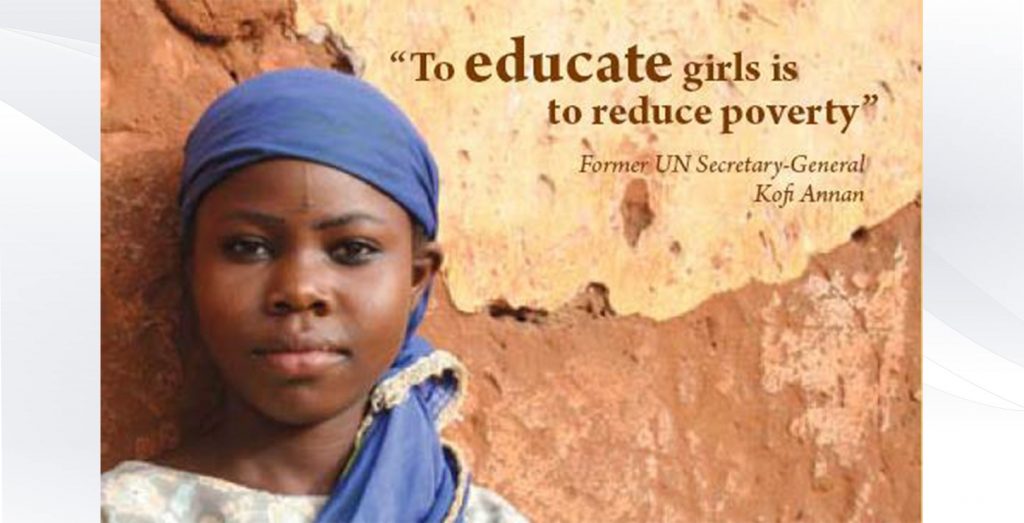
Female Education is a catch-all term of a complex set of issues and debates surrounding education (primary education, secondary education, tertiary education, and health education in particular) for girls and women. It includes areas of gender equality and access to education, and its connection to the alleviation of poverty.
Education systems and schools play a central role in determining girls’ interest in various subjects, including Science, Technology, Engineering and Mathematics (STEM) subjects, which can contribute to women’s empowerment by providing equal opportunities to access and benefit from quality STEM education.
A report shows that women in Nigeria are more involved than men in virtually all areas of agricultural activities ranging from farm clearing to processing. In spite of this, the women are still victims of a social order that treats them largely as second position role players. Thus, gender bias against women ranges from labor market discrimination to exclusion from policymaking.

This discrimination exacerbates poverty by preventing the majority of women from obtaining the credit, education, training, health services, child care and legal status needed to improve their prospects. One clear noted area of imbalance against women has been in the area of education. It is therefore not surprising that women’s inadequate access to education has been the source of the various discrimination and violence that they suffer
Therefore, education is stressed to be the solution and a necessity in eliminating the barriers to female discrimination. Improving girls’ educational levels has been demonstrated to have clear impacts on the health and economic future of young women, which in turn improves the prospects of their entire community.

An educated woman has the skills, information, and self-confidence that she needs to be a better parent, worker, and citizen. When women are educated, the world becomes more prosperous. Therefore, it is essential to educate women in order to significantly alleviate poverty in the society; such that they become a voice and an instrument of improving global development.
Written by: Bukola


 During the third session, we gave the students a feedback form and we found out based on our analysis and evaluation, that 80% of the students compared to 20% at the beginning now fully understood what the subject matter was all about and how to identify it and what to do when faced with such situation. Here are some of the feed backs we got from the students ;

 IOHI did not come to play as we presented the school with a chart and books that summarized all that we taught the students on gender based violence.

 As we move on in the 21st century, there are issues around Gender and Development that need more attention and deeper interrogation. It is obvious that there is inadequate involvement of youths and because of these there is sustainability risk in the struggle and emancipation of women and this makes the intergenerational linkage very weak.


